
About Congenital Heart Defects (CHD):
A congenital heart defect (CHD) diagnosis can change a family’s world in an instant. CHD refers to a range of structural heart conditions present at birth, many of which require ongoing medical care, surgery, and extended hospital stays.
For families, the journey often begins suddenly—with unexpected news, complex medical information, and an uncertain future. Children with critical CHD may undergo multiple procedures, spend weeks or months in the hospital, and require specialized care throughout their lives.
Behind every diagnosis is not just a child, but an entire family navigating emotional, physical, and financial challenges. Parents are often faced with difficult realities—time away from home, long hospital stays, and the need to be constantly present for their child during critical moments of care.
At Wholeheartedly, we recognize that CHD impacts more than just the heart. It affects every part of a family’s life. That’s why support—both emotional and financial—is essential to helping families remain at the bedside and focus on what matters most: their child.
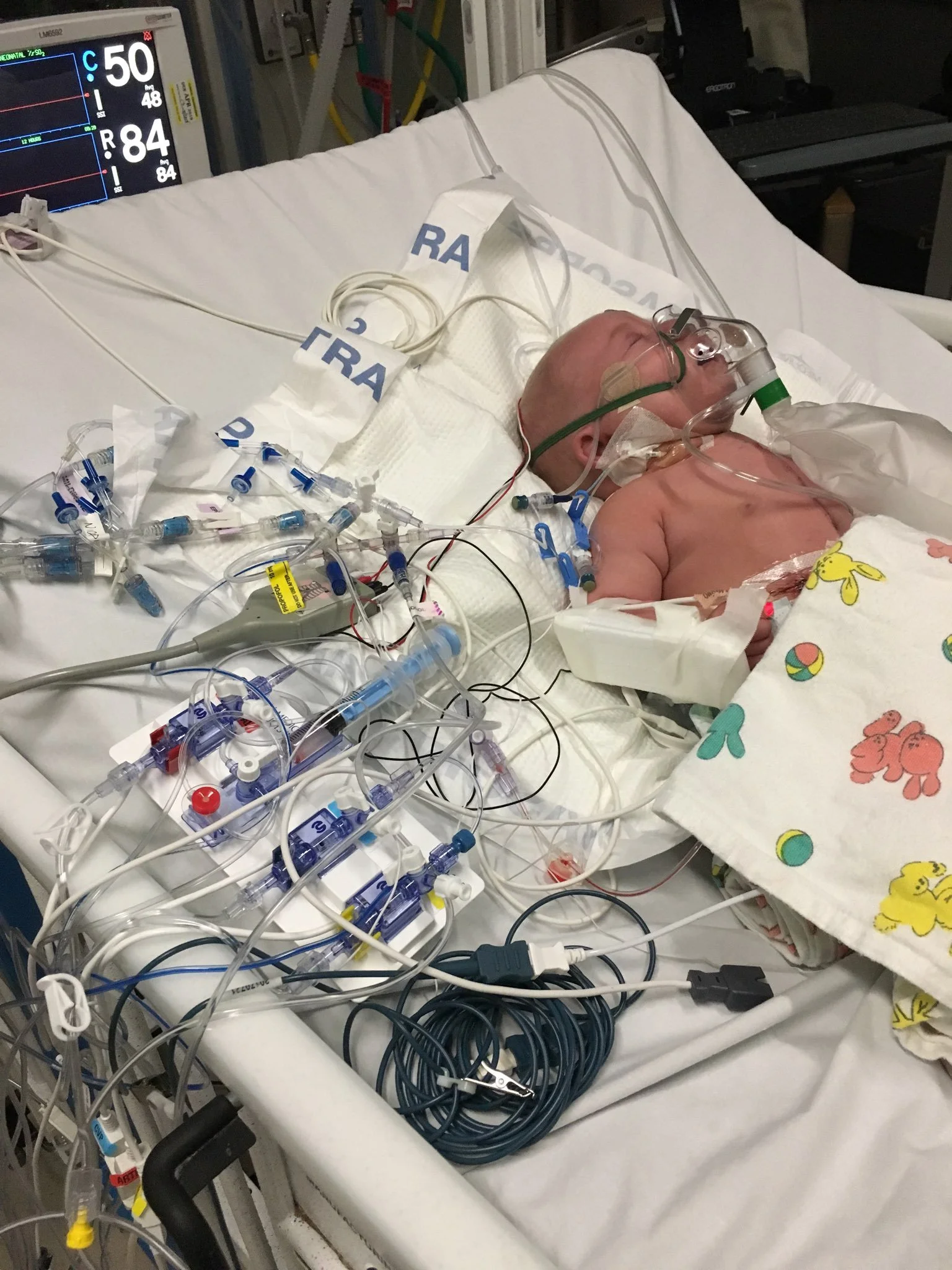
Our son, Greyson (3 months) hours after his first open heart surgery, the Glenn on 11/08/18
Facts About Congenital Heart Defects (CHD):
Congenital heart defects (CHDs) are the most common birth defect, affecting approximately 1 in 100 babies in the United States—nearly 40,000 infants each year.
25% of babies born with CHD will require a heart procedure within their first year of life
CHDs are 50 times more common than childhood cancer
There is no cure—CHDs require lifelong medical care and follow-up
CHDs are the most common birth defect associated with infant death
Approximately 25% of babies born with critical CHD may not survive their first year
Developmental & Life Challenges
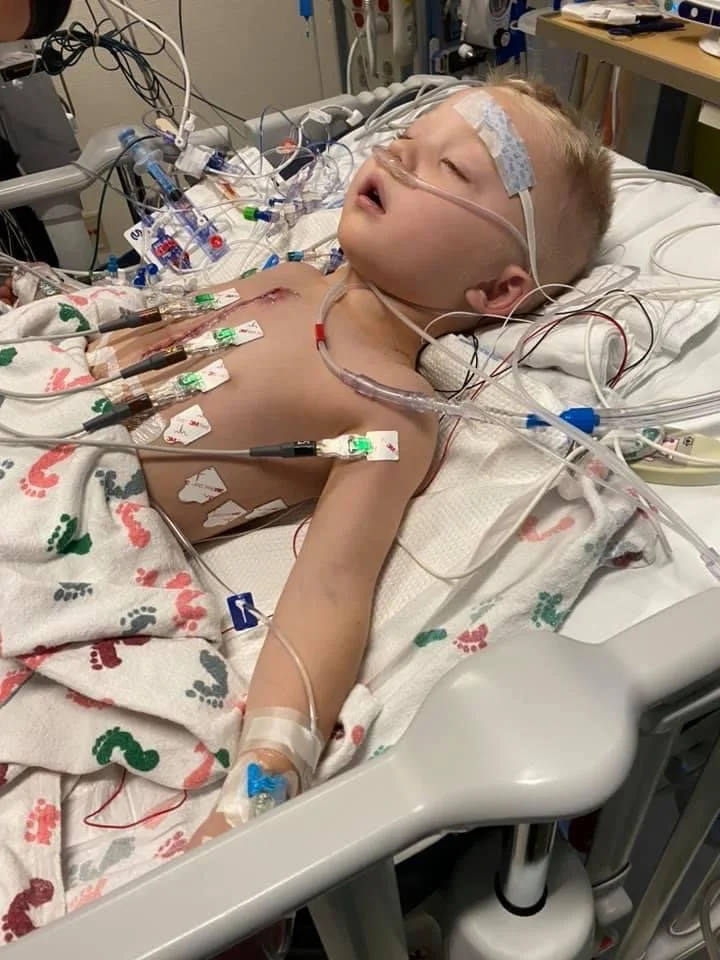
Children with CHD are 50% more likely to require special education services than those without birth defects. Many also experience long-term neurodevelopmental and cognitive effects, which can impact:
Education
Employment
Social relationships
Lifelong Impact
CHDs affect far more than the heart. Individuals may face a lifelong risk of health challenges, including:
Growth and feeding difficulties
Developmental delays
Lower exercise tolerance
Heart rhythm problems
Heart failure
Sudden cardiac arrest
Stroke
Breathing complications
Kidney failure
Seizures
Mental health challenges
Increased risk of cancer